Why Reaction Time Matters in 2026
In competitive gaming, milliseconds matter. Fast reflexes are the line between fragging out and hitting the spectator queue early. It’s not just about seeing something first it’s about acting on it faster than the other guy. That’s what separates casuals from killers in ranked play.
Reaction time directly affects aim precision, ability cooldowns, and instant decision making. Say you’re caught in a corner during a gunfight your shot placement, your escape angle, even your instinct to duck behind cover, all hinge on how fast your brain sends the signal and your hand fires it off.
If you’re in twitchy genres like FPS and battle royale, the margin for error shrinks even more. You don’t get to think you execute. That snap shot across the map? That shield deploy the moment you hear footsteps? Pure reaction.
Bottom line: you can have solid strategy and game sense, but if your reflexes lag, you’re always playing from behind.
Optimize Your Hardware Setup
If your gear can’t keep up with the game, neither can you. Start with the monitor. A high refresh rate display (at least 144Hz) cuts down motion blur and makes fast action smoother. If you’re still on 60Hz, you’re literally playing in the past.
Next, upgrade your input devices. A low latency mouse and a mechanical keyboard reduce input delay, giving you those critical milliseconds back. In competitive play, that can mean the difference between a highlight reel kill and getting sent back to the lobby.
Always plug in. Wireless tech has come a long way, but a wired connection both for your peripherals and your internet still wins for stability and speed. Don’t risk packet loss or delayed inputs when precision matters most.
Finally, fine tune your hardware to fit you. Calibrate your mouse sensitivity and DPI based on muscle memory and play style not what some streamer said works for them. Comfortable, predictable control beats max DPI chaos every day of the week.
Optimizing your setup doesn’t take long, but the gains add up fast. Modern games move fast your gear needs to move faster.
Train Your Brain Like an Athlete
Improving reaction time isn’t just about grinding ranked matches it’s about training smarter, not longer. Start with aim trainers like Aim Lab or Kovaak’s. Run them consistently. Think of them as your gym: warm up routines, precision drills, speed intervals. These tools help isolate key skills like time to target and flick accuracy, dialing in your muscle memory with focused feedback you won’t get in game.
Don’t train blind. Use heatmaps, session breakdowns, and accuracy metrics to actually measure your performance. If you’re just guessing whether you’re improving, you’re probably not. Numbers don’t lie.
Stick to shorter, intense sessions rather than hour long slogs. Your brain learns faster in focused bursts. Neural fatigue is real push too hard and you’ll slow down rather than speed up. Quality reps, tracked progress, and good habits win. Leave the all nighters to YouTube montages.
Physical Conditioning: Yes, It Helps
Your brain doesn’t work well when your body’s running on fumes. Getting 7 9 hours of sleep isn’t just about rest it’s about cementing reaction patterns, improving memory recall, and making sure your decision making doesn’t crash mid match. Skip sleep, and your aim suffers period.
Hydration is another underrated edge. Even a small drop in fluid levels can mess with your hand eye coordination. So yeah, that water bottle at your desk isn’t just decor drink from it.
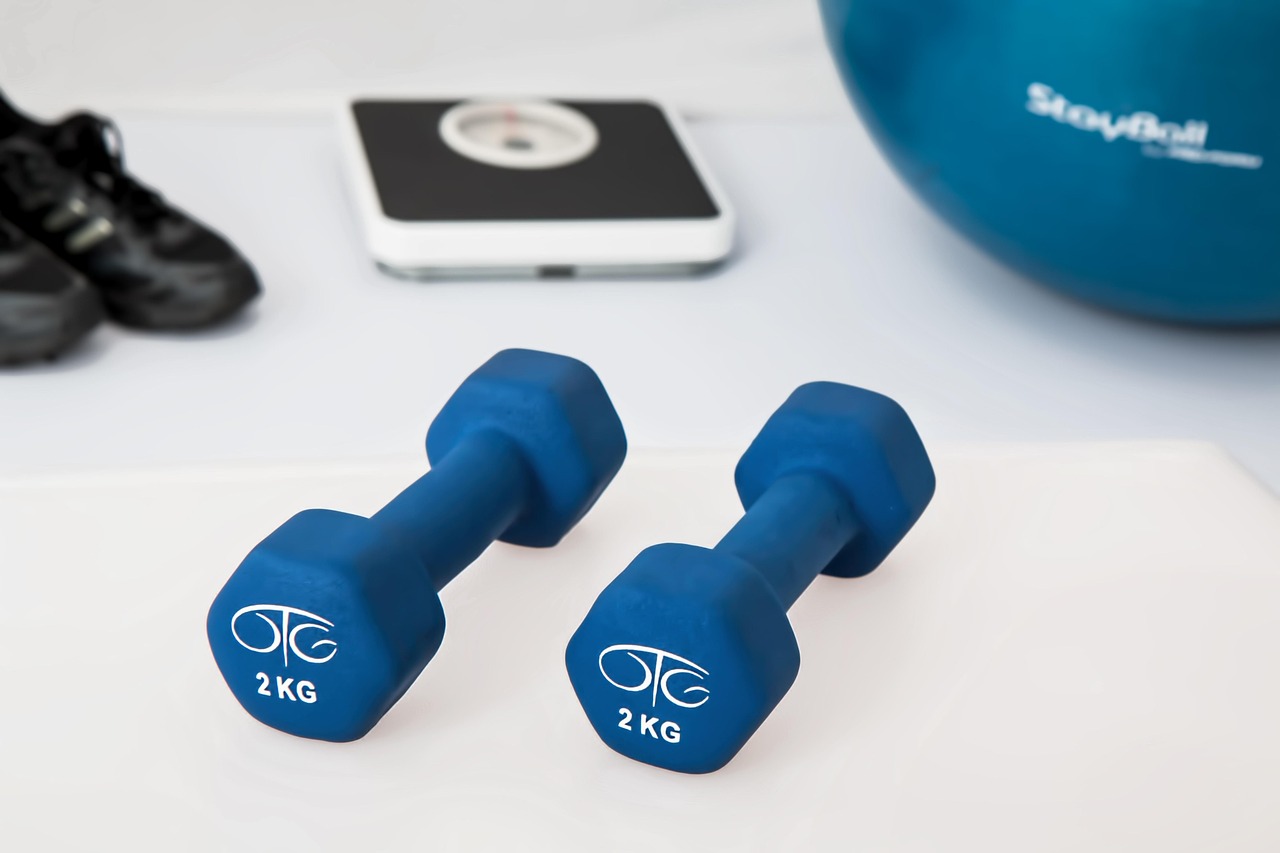
Then there’s your grip. Stronger fingers mean more control, faster inputs, and less fatigue during long sessions. Incorporate finger dexterity drills rubber band extensions, stress balls, even basic hand stretches. Bonus if you add light wrist and forearm exercises.
Finally, don’t overlook posture. Slouching or poor desk setup leads to wrist strain, slowdowns, and eventual burnout. Keep your elbows at a 90 degree angle, wrists neutral, and screen at eye level. If you’re gaming five hours a day, your body needs to be in on the plan or you won’t be fast for long.
Game Specific Reaction Drills
Warm ups aren’t optional anymore. Just like athletes stretch before hitting the field, competitive gamers need routines that activate their reflexes tailored to the pace and mechanics of their game. If you’re dropping into a twitch heavy FPS, rapid flick drills and target tracking can prime your hand eye coordination in minutes. For MOBAs or strategy games, hit custom lobbies to sharpen your awareness and cooldown timing.
Fast respawn modes are your training ground. Whether it’s deathmatch, gun game, or a custom mode, the constant pressure keeps your micro decisions sharp. These quick iterations stack up over time and condition your brain to respond without hesitation when it counts.
Don’t guess where you’re slow record your sessions. Watch the tape. Spot the milliseconds of hesitation, the unnecessary peeks, the fumbled reloads. That’s your roadmap. Improvement starts with knowing where the lag lives.
For even more tactical insight, especially if you’re grinding the battle royale circuit, dive into this breakdown: Top Strategy Tips for Winning Battle Royale Matches.
Advanced Tools and Apps
When milliseconds matter, edge tools can make the difference between a win and a respawn screen.
Start with neurotraining apps like BrainHQ or Reaction Time Tester. These aren’t gimmicks they’re backed by solid neuroscience. Daily drills sharpen how fast you process what you see and respond. A few minutes a day adds up, especially when you’re already warmed up from in game practice.
Next: keybind scripting. We’re not talking cheats just smart customization. Map your most used actions to more intuitive inputs. Use tools like AutoHotKey or in game rebinding systems to cut down movement time and reduce finger confusion. Stay within the game’s rules, always.
And finally, wearable tech is creeping into the scene. Devices like reaction detecting rings or high speed biometric trackers offer a new layer of insight. They analyze twitch latency, muscle timing, and even micro lags in your inputs. If you’re serious about leveling up, this data gives feedback your eyes might miss.
These tools won’t win matches for you, but they’ll remove obstacles and that’s often all you need to move faster, think clearer, and stay dominant under pressure.
Final Tip: Consistency Beats Everything
Superhuman Reflexes? Not Required
While lightning fast reflexes can be impressive, top players in competitive games know that consistency wins matches. Instead of chasing mythical reaction speeds, focus on building reliable, repeatable performance.
High level players prioritize steady improvement
Consistent reaction times lead to more accurate plays under pressure
Winning often comes down to fewer mistakes not faster fingers
Why Regular, Focused Training Matters
Spending hours grinding doesn’t always lead to faster reactions. In fact, long, unfocused sessions can lead to mental fatigue and slower response times. A smarter approach is short, structured practice.
Train in focused 30 60 minute blocks
Target specific weaknesses (e.g., flick shots or tracking)
Use warm ups and cooldowns to frame your sessions
Trust in Muscle Memory
Over time, your body and brain learn to react automatically through repetition. That’s muscle memory one of the most valuable tools a competitive gamer has. Reinforce it through deliberate repetition, not endless grinding.
Practice mechanics until they become second nature
Avoid overthinking in high pressure moments trust your training
Let consistency become your edge when others lose focus