
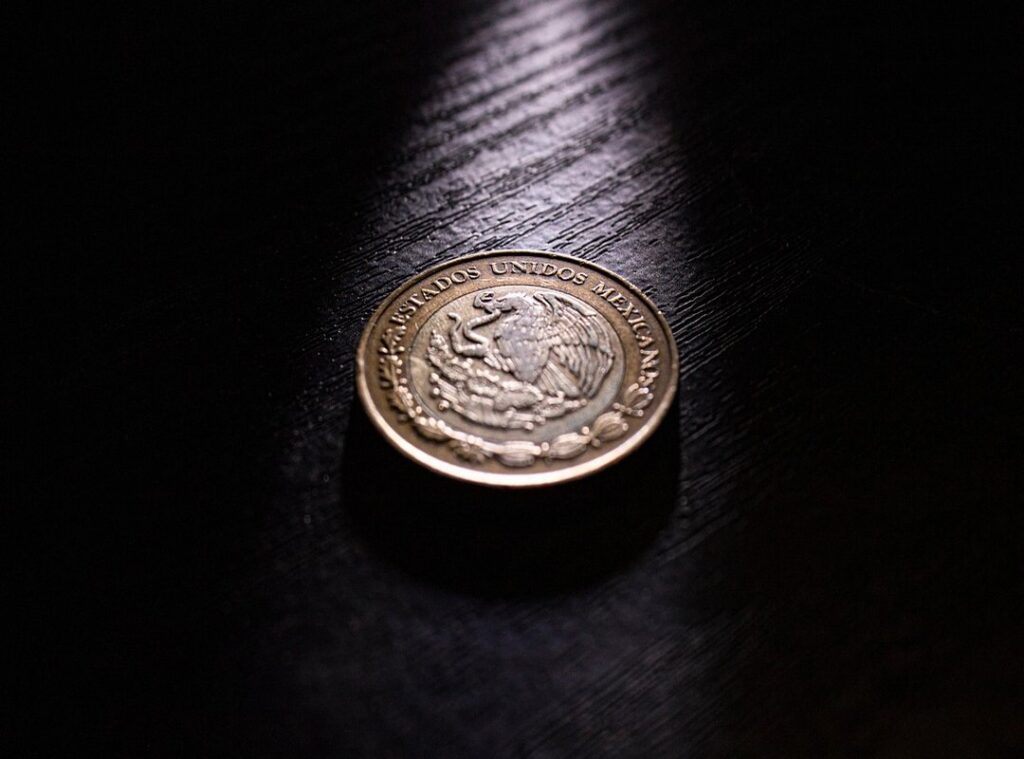
Right now, 60 million Chilean Pesos (CLP) is worth about 1.5 million Colombian Pesos (COP). This rate changes a lot, sometimes even by the hour.
I’ll show you how to find the live rate anytime and understand what makes it fluctuate. The goal here is to help you make smart decisions when converting large sums between these two currencies.
By the way, CLP stands for Chilean Peso, and COP stands for Colombian Peso. We’ll use these codes throughout the article.
So, let’s dive in. 60 mil pesos chilenos a pesos colombianos—it’s more than just a number.
A Step-by-Step Guide to Converting CLP to COP
Converting 60 mil pesos chilenos a pesos colombianos might seem daunting, but it’s straightforward if you follow these steps.
Step 1: Find the current, real-time exchange rate. Use reliable online sources like Google Finance, XE.com, or OANDA. These sites update rates in real time, making them more accurate than static bank websites.
Step 2: Understand the ‘mid-market rate’. This is the midpoint between the buy and sell prices on the global currency markets. It’s the purest rate before fees and gives you a good baseline for your calculations.
Step 3: Perform the calculation. The formula is simple: (Amount in CLP) x (Current COP per CLP rate) = Amount in COP.
For example, if 1 CLP = 4.50 COP, then 60,000,000 CLP x 4.50 = 270,000,000 COP.
Keep in mind, the rate you get from a bank or exchange service will be slightly different due to service fees or spread. We’ll cover that in the next section.
Now, you might be wondering about the best time to convert. Rates can fluctuate, so it’s wise to keep an eye on trends and maybe set up alerts for favorable rates.
Why the Chilean to Colombian Peso Exchange Rate Fluctuates

I remember a few years back, I was planning a trip to Colombia and had some Chilean pesos left over from a previous adventure. I thought, “How hard can it be to convert 60 mil pesos chilenos a pesos colombianos?” Turns out, it’s not as simple as you might think.
Currency values are not fixed. They move up and down based on a bunch of factors. Think of it like stocks—just as a company’s stock price changes with its performance, a country’s currency value shifts with its economic health and stability.
Chile’s economy is heavily reliant on copper exports. When global copper prices go up, the Chilean peso (CLP) tends to strengthen. But if copper prices drop, the CLP weakens.
It’s like a seesaw.
Colombia, on the other hand, depends a lot on oil. If global oil prices rise, the Colombian peso (COP) gets stronger. But when oil prices fall, the COP can weaken.
It’s a similar dynamic but with a different commodity.
Central banks play a big role too. The Banco Central de Chile and the Banco de la República in Colombia set interest rates. Higher interest rates can make a currency more attractive to investors, boosting its value. Etsjavaapp
Lower rates can have the opposite effect.
Inflation rates also matter, and high inflation can erode a currency’s value. Political stability and foreign investment are important as well.
Investors prefer stable environments, and their confidence can drive up or down the value of a currency.
So, next time you’re looking at the exchange rate, remember it’s all about the bigger picture. Economic health, central bank policies, and global market conditions all come into play.
Smart Ways to Exchange Large Amounts of Currency
Exchanging large sums of cash at airport kiosks or tourist-focused exchange houses is a big no-no. Why? They charge notoriously high fees and offer poor rates.
So, what are your better options? Traditional bank wire transfers, online money transfer services like Wise or Remitly, and specialized foreign exchange brokers. Each has its pros and cons.
Let’s talk about the ‘spread.’ It’s the difference between the rate a service buys currency at and sells it at. This spread is a hidden cost that can eat into your funds.
To minimize costs, compare different services online, and check for flat fees versus percentage-based fees. Also, ask about the final amount the recipient will get.
This way, you can avoid any surprises.
Security is crucial, especially when dealing with a significant amount like 60 mil pesos chilenos a pesos colombianos. Always use reputable, well-reviewed services. It’s not worth the risk to cut corners here.
Planning the transfer in advance can save you from rush fees. Plus, you can watch the exchange rate and pick a more favorable moment to convert. This little bit of planning can make a big difference in the end.
By following these tips, you’ll keep more of your hard-earned money and feel more secure in the process.
Key Takeaways for Your CLP to COP Conversion
Always remember that the exchange rate is dynamic. Check a live source for the most accurate number before making a transaction.
The ‘mid-market rate’ is a benchmark, but the actual rate will include a service provider’s fee or spread.
For large amounts, comparing transfer services is crucial to save a significant amount of money on fees.
Understanding the ‘why’ behind rate changes helps you anticipate trends and make smarter financial decisions.
When converting 60 mil pesos chilenos a pesos colombianos, keep these points in mind for a smoother and more cost-effective process.

 Ask Larissabrine Wilkinsons how they got into esports highlights and you'll probably get a longer answer than you expected. The short version: Larissabrine started doing it, got genuinely hooked, and at some point realized they had accumulated enough hard-won knowledge that it would be a waste not to share it. So they started writing.
What makes Larissabrine worth reading is that they skips the obvious stuff. Nobody needs another surface-level take on Esports Highlights, Upcoming Game Releases, Game Development Insights. What readers actually want is the nuance — the part that only becomes clear after you've made a few mistakes and figured out why. That's the territory Larissabrine operates in. The writing is direct, occasionally blunt, and always built around what's actually true rather than what sounds good in an article. They has little patience for filler, which means they's pieces tend to be denser with real information than the average post on the same subject.
Larissabrine doesn't write to impress anyone. They writes because they has things to say that they genuinely thinks people should hear. That motivation — basic as it sounds — produces something noticeably different from content written for clicks or word count. Readers pick up on it. The comments on Larissabrine's work tend to reflect that.
Ask Larissabrine Wilkinsons how they got into esports highlights and you'll probably get a longer answer than you expected. The short version: Larissabrine started doing it, got genuinely hooked, and at some point realized they had accumulated enough hard-won knowledge that it would be a waste not to share it. So they started writing.
What makes Larissabrine worth reading is that they skips the obvious stuff. Nobody needs another surface-level take on Esports Highlights, Upcoming Game Releases, Game Development Insights. What readers actually want is the nuance — the part that only becomes clear after you've made a few mistakes and figured out why. That's the territory Larissabrine operates in. The writing is direct, occasionally blunt, and always built around what's actually true rather than what sounds good in an article. They has little patience for filler, which means they's pieces tend to be denser with real information than the average post on the same subject.
Larissabrine doesn't write to impress anyone. They writes because they has things to say that they genuinely thinks people should hear. That motivation — basic as it sounds — produces something noticeably different from content written for clicks or word count. Readers pick up on it. The comments on Larissabrine's work tend to reflect that.