
You stare at your phone for ten minutes trying to pick a delivery service.
Groceries. Prescriptions. Takeout.
It’s all the same app graveyard.
I’ve tested over thirty services myself. Spent weeks comparing fees, delivery windows, and hidden markups.
Some charge $9.99 for a bag of chips. Others lose your order and blame the pharmacy.
That’s why I built this guide. Not as theory, but as something that works in real life.
You’ll learn how to cut through the noise and pick the right one fast.
No fluff. No jargon. Just steps that get you from overwhelmed to confident.
Doatoike is one of the few that actually delivers what it promises (and yes, I tested it twice).
By the end, you’ll know exactly which service fits your needs (and) why.
You’ll save time. You’ll save money.
And you’ll stop second-guessing every tap.
What Actually Shows Up at Your Door?
I used to think delivery was just pizza and Uber Eats. Then I needed cold medicine at 10 p.m. on a Tuesday. That’s when I found out how much more is possible.
Doatoike is one of those services that slowly fills gaps you didn’t know were gaping. It’s not flashy. It just works.
Groceries? Instacart and Shipt get your milk, eggs, and that weird oat milk you swear you’ll stop buying. They’re for people who hate parking or standing in line behind someone debating almond butter brands.
Yes, the fees add up. Yes, you still have to tip.
Meal kits like HelloFresh are for cooks who want dinner without the mental load of planning. You get pre-portioned ingredients and a recipe card. No guessing.
No waste. No “what’s in the fridge?” panic.
Retail and packages (Amazon) Prime, local couriers, even USPS (deliver) things you ordered weeks ago and things you forgot you needed yesterday. That charger. That notebook.
That third pair of socks you swore you’d buy this time. It’s convenience with a side of guilt.
Pharmacy delivery gets prescriptions to you before you run out. Alcohol delivery shows up with a photo ID check and zero judgment. Both save hours.
Both feel like cheating.
Here’s what delivery actually gives you:
- Time (real, unbroken, non-negotiable time)
- Less driving
- Fewer decisions before noon
- Access to things your nearest store doesn’t carry
You don’t need all of them. Pick one that solves a real problem you have right now. Not the one with the best ad.
The one that stops you from Googling “how late is Walgreens open?” at midnight.
The 5-Point Checklist That Actually Works
I used to pick delivery services based on which app had the shiniest logo. Then I got three wrong orders in one week. So I made this checklist.
It’s not fancy. It’s just five questions I ask before I tap “checkout.”
Cost & Fees: What’s the real price? Not the banner headline. Is it $9.99 flat (or) $7.99 plus $2.50 “service fee” plus 8% markup on groceries?
I check the fine print. Every time. Because surprise fees are never a surprise (they’re) just theft with better branding.
Speed & Reliability: Do you need it today? Or can you wait until tomorrow? If same-day matters, read the last six months of Google reviews.
Not the top three. Look for phrases like “missed window” or “no update for 4 hours.”
That tells you more than any marketing claim.
Selection & Availability: Does it work with your actual stores? Not the ones in the ad. I type my zip code into their site before creating an account.
If it says “coming soon,” walk away. “Coming soon” means “not now” (and) “not now” means you’re ordering from somewhere else.
User Experience: Is the app faster to use than your toaster? Try adding two items, changing one, then checking out. If it takes more than 90 seconds.
Or makes you scroll past three banners (skip) it. Your time isn’t free. Neither is your patience.
Customer Service: What happens when the avocado is brown? Or the milk is missing? I call support before I subscribe.
Ask how refunds work. If they say “we’ll look into it,” that’s a no. Real service gives answers (not) delays.
This isn’t theory. I tested it across seven services last month. One passed all five.
It wasn’t the biggest name. It wasn’t the cheapest. It was Doatoike.
Home Delivery: What Nobody Tells You Upfront
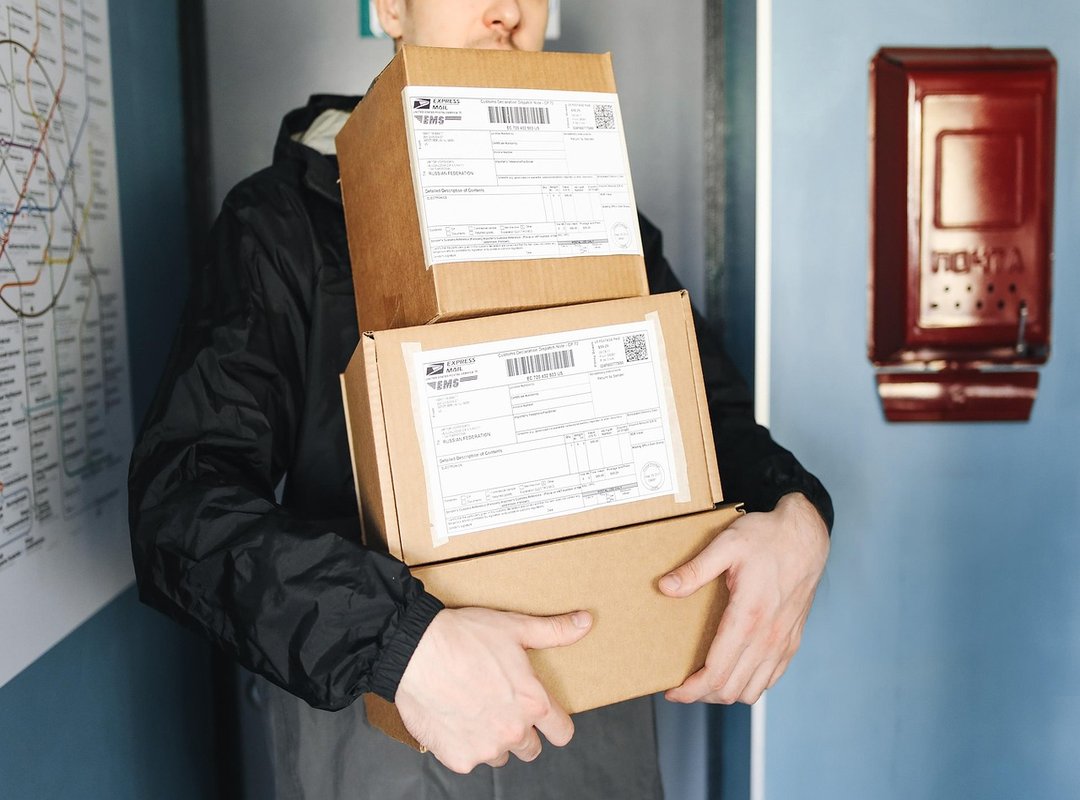
I’ve ordered groceries, meds, and even a toaster oven via delivery apps. And every time, I brace for the fee shock.
I wrote more about this in How to Download.
That $50 order? It’s not $50. Not even close.
You get hit with a service fee. Usually $3.99, but sometimes $5.99 if it’s raining or you’re ordering after 8 p.m. Then there’s the heavy item fee.
A 24-pack of water? That’s $2.50 extra. A bag of dog food?
Another $2. That $50 bill just became $60.39 before tip.
And don’t forget the tip. Yes, you should tip (not) because it’s polite, but because drivers earn next to nothing from base pay. Tip 15. 20% of the pre-fee total.
So 20% of $50 is $10. Not 20% of $60.39. That math matters.
Now about substitutions. You order almond milk. They swap in oat milk (no) warning, no option to decline.
You only find out when the bag hits your porch.
Go into your app settings before ordering. Turn on “notify me before substitution” and “never substitute dairy alternatives.” Do it now. (I waited three orders.
Got soy milk in my coffee creamer twice.)
Subscription traps are worse. That “free 30-day trial” for priority delivery? It auto-renews at $12.99/month.
No reminder. No confirmation email. Just a charge.
Set a calendar alert for Day 28. Cancel it. Or forget it (and) watch your bank balance shrink.
One more thing: if you’re trying to run delivery apps on desktop, you’ll need an Android emulator. The How to download doatoike pc guide walks through it step-by-step. No rooting, no sketchy APKs.
Doatoike isn’t magic. It’s just one tool that works.
Most people don’t read the fine print until they’re staring at a $72 receipt for $48 worth of groceries.
Would you rather pay attention now. Or argue with customer service later?
Pro Tips: How to Save Money on Almost Every Order
I save money on orders the same way I save time (by) refusing to accept the default.
First-time user promo codes exist for a reason. They’re free money. Always search for them before you click “Sign Up.” (Yes, even if the site says “No coupons.” Google it.)
Annual subscriptions beat monthly plans almost every time. If you order more than twice a month? Just do the math.
You’ll save 20–40%. No negotiation needed.
“No-rush” delivery isn’t just slower. It’s cheaper. Or sometimes free.
Pick it. Seriously. Your package won’t vanish.
It’ll just arrive Tuesday instead of Monday.
Small orders suck. They trigger fees. They miss free-delivery thresholds.
So wait. Stack your cart. Hit that minimum.
Then check out once.
Doatoike doesn’t matter here. But your habits do.
I’ve watched people pay $3.99 shipping five times in one week. That’s $20 gone. For what?
Impatience?
Batching orders cuts clutter and cost. Try it for 30 days. See how much you keep.
You’re not saving pennies. You’re saving real cash. Every single order.
Order with Confidence: Your Next Steps
I’ve been where you are. Staring at ten delivery apps. Wondering which one won’t ghost your order or double-charge your card.
You don’t need more options. You need a way to cut through the noise.
That 5-point checklist? It’s not theory. I used it last week to pick a grocery service (saved) $12 and got my milk in 37 minutes.
Time is gone the second you waste it on the wrong app.
You want reliability. You want price clarity. You want to stop second-guessing.
Doatoike passed that test for me. Twice.
So here’s what I want you to do: Pick one thing you order weekly. Groceries. Takeout.
Pharmacy. Then use the checklist on two services in your area. This week.
No research rabbit holes. No sign-up fatigue.
Just one focused comparison.
Then tell me what changed.

 Ask Larissabrine Wilkinsons how they got into esports highlights and you'll probably get a longer answer than you expected. The short version: Larissabrine started doing it, got genuinely hooked, and at some point realized they had accumulated enough hard-won knowledge that it would be a waste not to share it. So they started writing.
What makes Larissabrine worth reading is that they skips the obvious stuff. Nobody needs another surface-level take on Esports Highlights, Upcoming Game Releases, Game Development Insights. What readers actually want is the nuance — the part that only becomes clear after you've made a few mistakes and figured out why. That's the territory Larissabrine operates in. The writing is direct, occasionally blunt, and always built around what's actually true rather than what sounds good in an article. They has little patience for filler, which means they's pieces tend to be denser with real information than the average post on the same subject.
Larissabrine doesn't write to impress anyone. They writes because they has things to say that they genuinely thinks people should hear. That motivation — basic as it sounds — produces something noticeably different from content written for clicks or word count. Readers pick up on it. The comments on Larissabrine's work tend to reflect that.
Ask Larissabrine Wilkinsons how they got into esports highlights and you'll probably get a longer answer than you expected. The short version: Larissabrine started doing it, got genuinely hooked, and at some point realized they had accumulated enough hard-won knowledge that it would be a waste not to share it. So they started writing.
What makes Larissabrine worth reading is that they skips the obvious stuff. Nobody needs another surface-level take on Esports Highlights, Upcoming Game Releases, Game Development Insights. What readers actually want is the nuance — the part that only becomes clear after you've made a few mistakes and figured out why. That's the territory Larissabrine operates in. The writing is direct, occasionally blunt, and always built around what's actually true rather than what sounds good in an article. They has little patience for filler, which means they's pieces tend to be denser with real information than the average post on the same subject.
Larissabrine doesn't write to impress anyone. They writes because they has things to say that they genuinely thinks people should hear. That motivation — basic as it sounds — produces something noticeably different from content written for clicks or word count. Readers pick up on it. The comments on Larissabrine's work tend to reflect that.