

I get it. You’re probably staring at that check engine light, wondering what the heck a p0340 viva code means. It’s a malfunction in the Camshaft Position Sensor ‘A’ circuit.
This sensor is pretty important for your Viva’s engine. It controls spark timing and fuel injector operation. Without it, your car might not run smoothly.
Now, when I say “circuit malfunction,” I mean the issue could be with the sensor itself, the wiring, or even the connection to your car’s computer. That can sound overwhelming, but don’t panic. This is actually a very common and solvable problem.
In this guide, I’ll walk you through the symptoms, causes, and a step-by-step fix for the P0340 code. Trust me, it’s not as bad as it seems.
Common Symptoms of a P0340 Fault
The most obvious sign: the Check Engine Light (CEL) is illuminated on the dashboard.
Difficulty starting the engine. This means the engine cranks for longer than usual before it finally starts, or it might fail to start at all.
Poor engine performance is another key symptom. This includes rough idling, engine stalling unexpectedly, and noticeable hesitation or stumbling during acceleration.
A significant decrease in fuel economy is also common. The engine’s computer can’t efficiently manage fuel delivery without a proper signal from the sensor.
In some p0340 viva models, the vehicle’s computer may put the car into ‘limp mode’ to prevent engine damage. This severely limits speed and RPMs, making it hard to drive normally.
Top 4 Causes of the P0340 Code in a Viva
Dealing with the p0340 viva code can be a real headache. You’re driving along, and suddenly, your check engine light comes on. Frustrating, right?
The most common culprit is a failed camshaft position sensor. Over time, these sensors wear out and can no longer produce a reliable signal. It’s like having a bad phone connection—everything gets jumbled.
Damaged wiring or connectors are another pain point. Frayed or broken wires, corrosion in the connector plug, or a loose connection can all mess up the signal to the sensor. And let me tell you, tracking down a tiny frayed wire can feel like finding a needle in a haystack.
Timing belt or chain issues can also trigger this code. A slipped timing belt or a stretched timing chain can cause the camshaft to be out of sync with the crankshaft. This one’s a bit more serious because it can lead to engine damage if not fixed.
Sometimes, the car’s computer (PCM) can misinterpret a bad crankshaft position sensor as a camshaft sensor problem. It’s like when you get a wrong number call—annoying and confusing.
While a faulty Powertrain Control Module (PCM) is possible, it’s the least likelyy cause. Only consider this after you’ve checked everything else. Trust me, you don’t want to jump to that conclusion too quickly.
How to Diagnose and Fix the P0340 Error Code
Ever gotten that p0340 viva error code and wondered what it means? It’s a common issue, but it can be frustrating. Let’s break it down step by step.
First things first. You need to visually inspect the camshaft position sensor on your Viva’s engine. Look for any obvious signs of damage, melting, or corrosion. p0340 viva
Sometimes, the problem is as simple as a frayed wire or a corroded connector.
Next, test the circuit. Grab a multimeter and check for proper voltage and ground at the sensor’s connector. This will help you confirm if power is reaching the sensor.
It’s a straightforward process, but it can save you a lot of headaches later.
If the visual inspection and circuit test don’t reveal anything, it might be time to replace the camshaft position sensor. Here’s how: disconnect the battery, unplug the electrical connector, remove the single bolt holding the sensor, and install the new one. Simple, right?
But what if a new sensor doesn’t fix the issue? That’s when you should inspect the timing system. Check the timing belt or chain for proper tension and alignment.
This step might require a professional mechanic, so don’t hesitate to get help if you need it.
Finally, clear the code and take it for a test drive. Use an OBD-II scanner to erase the trouble code from the PCM. Then, take your Viva for a spin to see if the code returns.
Does this sound familiar? If you follow these steps, you should be able to diagnose and fix the P0340 error code.
Expected Repair Costs and Prevention Tips
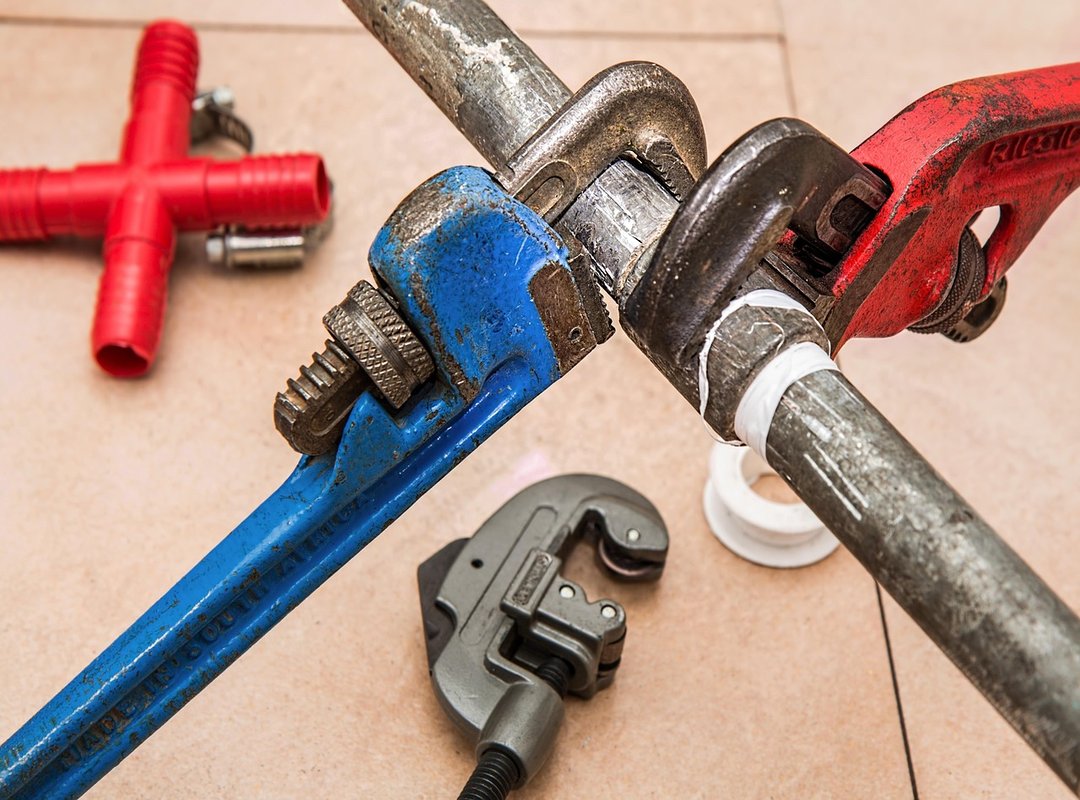
Let’s break down the costs for fixing the P0340 code.
DIY Cost: The price of a new camshaft position sensor typically ranges from $25 to $75 for a Viva.
Professional Repair Cost: If you go to a mechanic, the cost to diagnose and replace the sensor is usually between $150 and $300, including parts and labor.
| Option | Cost Range |
|---|---|
| DIY | $25 – $75 |
| Professional Repair | $150 – $300 |
Now, let’s talk prevention. Regular oil changes with high-quality oil can protect your timing components. Periodically check for oil leaks too.
They can damage the sensor wiring.
I’m not going to claim that following these tips will completely eliminate the risk. Sometimes, things just happen. But these steps can help reduce the likelihood of a p0340 viva issue.
Getting Your Viva Back to Peak Performance
The p0340 viva code indicates a problem with the camshaft sensor circuit, often just the sensor itself. Start by checking the wiring and connections, as these are the easiest and cheapest fixes. If the wiring checks out, then consider replacing the sensor.
You now have the knowledge to either tackle the repair yourself or discuss it intelligently with your mechanic. Addressing this code promptly can prevent starting issues, poor performance, and potential long-term engine damage.

 Harold Ashertine has opinions about player tips and strategies. Informed ones, backed by real experience — but opinions nonetheless, and they doesn't try to disguise them as neutral observation. They thinks a lot of what gets written about Player Tips and Strategies, Esports Highlights, Latest Gaming News is either too cautious to be useful or too confident to be credible, and they's work tends to sit deliberately in the space between those two failure modes.
Reading Harold's pieces, you get the sense of someone who has thought about this stuff seriously and arrived at actual conclusions — not just collected a range of perspectives and declined to pick one. That can be uncomfortable when they lands on something you disagree with. It's also why the writing is worth engaging with. Harold isn't interested in telling people what they want to hear. They is interested in telling them what they actually thinks, with enough reasoning behind it that you can push back if you want to. That kind of intellectual honesty is rarer than it should be.
What Harold is best at is the moment when a familiar topic reveals something unexpected — when the conventional wisdom turns out to be slightly off, or when a small shift in framing changes everything. They finds those moments consistently, which is why they's work tends to generate real discussion rather than just passive agreement.
Harold Ashertine has opinions about player tips and strategies. Informed ones, backed by real experience — but opinions nonetheless, and they doesn't try to disguise them as neutral observation. They thinks a lot of what gets written about Player Tips and Strategies, Esports Highlights, Latest Gaming News is either too cautious to be useful or too confident to be credible, and they's work tends to sit deliberately in the space between those two failure modes.
Reading Harold's pieces, you get the sense of someone who has thought about this stuff seriously and arrived at actual conclusions — not just collected a range of perspectives and declined to pick one. That can be uncomfortable when they lands on something you disagree with. It's also why the writing is worth engaging with. Harold isn't interested in telling people what they want to hear. They is interested in telling them what they actually thinks, with enough reasoning behind it that you can push back if you want to. That kind of intellectual honesty is rarer than it should be.
What Harold is best at is the moment when a familiar topic reveals something unexpected — when the conventional wisdom turns out to be slightly off, or when a small shift in framing changes everything. They finds those moments consistently, which is why they's work tends to generate real discussion rather than just passive agreement.