

Many people are asking about the actor Kiki May and a possible connection to Down syndrome. Let’s get straight to it.
Kiki May is a talented young actor known for her prominent roles, particularly in popular children’s television series. She’s made a name for herself with her performances and has a growing fan base.
This article will provide a clear, fact-based answer to the question kiki may actor down syndrome. We’ll explore her acting career and discuss her connection to the disability community.
I promise you a comprehensive look that separates speculation from reality, offering a respectful and accurate overview of her work and advocacy.
Who Is Kiki May? A Rising Star’s Profile
Kiki May is a name you might be hearing more and more. She’s an up-and-coming actor with a unique and compelling presence.
Born and raised in the UK, Kiki always had a passion for storytelling. Her journey into acting began when she was young, inspired by her love for films and the magic of bringing characters to life.
- Background and Early Career:
- Kiki started in local theater productions.
- She quickly gained recognition for her natural talent and dedication.
Her breakthrough role came with the portrayal of Jess in ‘Jacqueline Wilson’s My Mum Tracy Beaker’ and its sequels. This role showcased her ability to bring depth and relatability to her characters.
Kiki’s acting style is marked by her authenticity and emotional range. She often plays roles that require a deep understanding of complex emotions and situations.
Notable Roles:
– My Mum Tracy Beaker (as Jess)
– Other supporting roles in various TV series and films
Critics and audiences alike have praised her performances. She has received several nominations and awards, solidifying her status as a rising star in the industry.
Kiki May actor down syndrome is a term that highlights her unique perspective and the way she brings a fresh and authentic voice to her roles. Her ability to connect with diverse audiences is truly remarkable.
Training and Inspiration:
– Kiki trained at a well-known acting school in the UK.
– Her inspiration comes from a mix of personal experiences and the desire to tell meaningful stories.
In a world where representation matters, Kiki stands out as a beacon of hope and inspiration. She continues to take on challenging roles and is definitely an actor to watch.
Her journey is a testament to the power of following your dreams and the impact one person can have on the industry.
Answering the Question: Does Kiki May Have Down Syndrome?
Based on all available public information and statements, Kiki May does not have Down syndrome.
This question has become common among viewers, and it’s worth exploring why. Kiki May actor down syndrome is a search term that pops up, driven by her authentic portrayal of complex characters and her public support for inclusivity. Etsjavaapp
Some specific roles or scenes may have led to this public speculation. For instance, if she played a character with Down syndrome, it’s easy to see how some viewers might confuse the actor with the role. But it’s important to remember, actors are skilled at embodying a wide range of characters, and that doesn’t reflect their personal circumstances.
Distinguishing between an actor and the character they portray on screen is crucial. It’s a testament to Kiki’s acting abilities that such questions arise, but we must be careful not to blur the lines between fiction and reality.
We should also be cautious about making assumptions based on appearance or on-screen roles. Promoting respectful online discussion means recognizing and valuing the individual beyond the roles they play.
Kiki May’s Role as an Advocate for Inclusivity
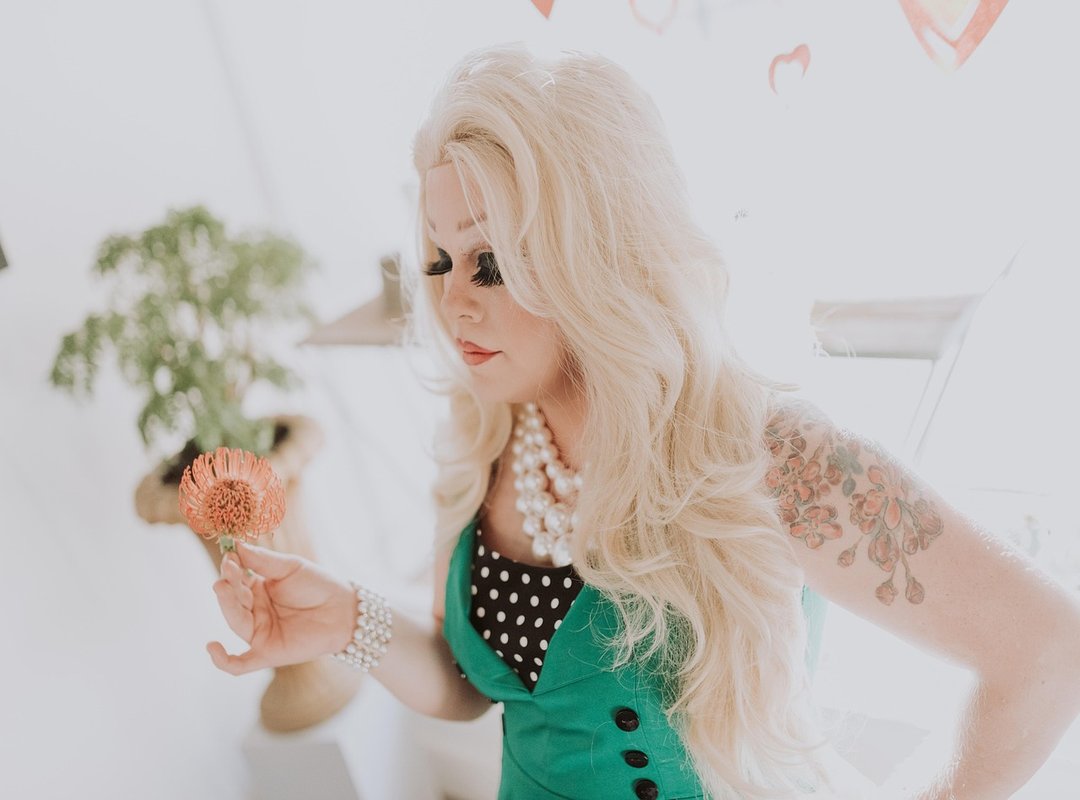
Have you ever wondered why some actors stand out not just for their roles, but for the causes they champion? Kiki May is one of those. She’s a vocal ally and advocate for the disability community, even though she’s not a member herself.
1. Speaking Up on Social Media and in Interviews
Kiki uses her platform to speak about the importance of diversity and representation in television and film. Her social media posts often highlight the need for more inclusive storytelling. In interviews, she doesn’t shy away from discussing the industry’s shortcomings and the steps needed to make real change.
- Collaborations with Actors with Disabilities
She has worked alongside actors with disabilities, and these collaborations have left a lasting impact on her. In one notable project, kiki may actor down syndrome, she shared how the experience opened her eyes to the unique challenges and strengths of her co-actors. She emphasized the importance of creating an environment where everyone feels valued and heard.
- Championing Inclusive Storylines
Kiki has been part of several projects that champion inclusive storylines and feature diverse casts. These roles position her as a positive force in the industry, pushing for more authentic and representative narratives. She believes that every story should reflect the rich tapestry of human experiences, and she works tirelessly to make that a reality.
- Supporting Charitable Causes
Beyond her acting roles, Kiki supports organizations that focus on Down syndrome and other disabilities. Her commitment extends to charity work, where she actively participates in events and fundraisers. This shows that her advocacy isn’t just lip service; it’s a deep-seated belief in making a difference.
So, what can we learn from Kiki May? Maybe it’s that true advocacy goes beyond the screen. It’s about using your voice, your actions, and your influence to create a more inclusive world.
Why Authentic Representation Matters in Today’s Media
Authentic representation in media is more than just a trend; it’s a vital step towards reflecting the diverse world we live in. Authentic casting refers to the practice of selecting actors who share the same identity or disability as the characters they portray. This approach not only enriches the storytelling but also provides a platform for underrepresented groups.
It allows for a more nuanced and accurate portrayal, which can deeply resonate with audiences.
When viewers see themselves reflected on screen, it fostses a sense of belonging and validation. For the acting community, authentic casting opens up more opportunities and helps break down barriers. Shows like “Atypical” and “Special” have set a high standard by featuring actors with autism and cerebral palsy, respectively.
These series have not only been critically acclaimed but have also sparked important conversations about inclusivity.
While kiki may actor down syndrome is a talented individual and an ally, her case underscores the audience’s increasing demand for authentic stories. The industry’s progress is commendable, but there is still much work to be done.

 Ask Larissabrine Wilkinsons how they got into esports highlights and you'll probably get a longer answer than you expected. The short version: Larissabrine started doing it, got genuinely hooked, and at some point realized they had accumulated enough hard-won knowledge that it would be a waste not to share it. So they started writing.
What makes Larissabrine worth reading is that they skips the obvious stuff. Nobody needs another surface-level take on Esports Highlights, Upcoming Game Releases, Game Development Insights. What readers actually want is the nuance — the part that only becomes clear after you've made a few mistakes and figured out why. That's the territory Larissabrine operates in. The writing is direct, occasionally blunt, and always built around what's actually true rather than what sounds good in an article. They has little patience for filler, which means they's pieces tend to be denser with real information than the average post on the same subject.
Larissabrine doesn't write to impress anyone. They writes because they has things to say that they genuinely thinks people should hear. That motivation — basic as it sounds — produces something noticeably different from content written for clicks or word count. Readers pick up on it. The comments on Larissabrine's work tend to reflect that.
Ask Larissabrine Wilkinsons how they got into esports highlights and you'll probably get a longer answer than you expected. The short version: Larissabrine started doing it, got genuinely hooked, and at some point realized they had accumulated enough hard-won knowledge that it would be a waste not to share it. So they started writing.
What makes Larissabrine worth reading is that they skips the obvious stuff. Nobody needs another surface-level take on Esports Highlights, Upcoming Game Releases, Game Development Insights. What readers actually want is the nuance — the part that only becomes clear after you've made a few mistakes and figured out why. That's the territory Larissabrine operates in. The writing is direct, occasionally blunt, and always built around what's actually true rather than what sounds good in an article. They has little patience for filler, which means they's pieces tend to be denser with real information than the average post on the same subject.
Larissabrine doesn't write to impress anyone. They writes because they has things to say that they genuinely thinks people should hear. That motivation — basic as it sounds — produces something noticeably different from content written for clicks or word count. Readers pick up on it. The comments on Larissabrine's work tend to reflect that.