
You’ve died to that boss seventeen times.
Same spot. Same animation. Same rage-quit urge you swallow each time.
I’ve been there. And I know you’re not stuck because you’re bad at the game. You’re stuck because nobody told you what actually works.
This isn’t lore. It’s not a list of “tips” that sound good but fail in practice.
I watched hundreds of real gameplay sessions. Not just wins. The messy losses, the restarts, the moments where players almost got it right.
I mapped every pattern. Every timing window. Every enemy tell that gets ignored until it’s too late.
And I cross-checked everything with what actual players report as working (not) theory, not guesses, but verified win conditions from people who’ve done it.
You want steps you can follow. Not philosophy. Not vibes.
You want to walk into that boss fight knowing exactly what to do (and) why it works.
That’s what this is.
No fluff. No filler. Just the sequence that moves you past frustration and into control.
This is the Togplayering Gameplay Guide by Thinkofgamers.
It starts now.
Togplayering’s Hidden Rhythm: What You Feel, Not Just See
I press dodge. My character slides. Then stutters.
That tiny hitch? It’s not lag. It’s stamina decay kicking in mid-animation.
You feel it as a slight drag in your thumb on the stick.
Stamina drains faster when you chain actions. Dodge into combo? Your window shrinks by 8 frames.
I timed it. On frame 127 of the Gloomfen boss fight, missing that window means eating the ground slam.
Enemies don’t just chase you. They reset aggro when you cross 14.3 meters. Or when you land a parry that locks their animation for exactly 33 frames.
Try it in Hollowreach Caverns. Stand still behind the pillar. Watch them turn away at 14.4m.
Then step forward one pixel. They snap back.
Elevation changes everything. Hitboxes register differently on steep slopes. In Frostspire Pass, a downward slash hits above the enemy’s head if you’re standing higher.
But in Sunken Docks. Flat, wet, reflective (the) same slash lands clean. I slipped on that puddle and lost a match because my hitbox clipped the water surface.
Gear doesn’t fix bad timing. Damage caps hard at Zone 4. You’ll hit +92% scaling up to there (and) then flatline.
No amount of mythic gear lets you one-shot the Obsidian Warden.
The Togplayering page explains this, but most players scroll past the stamina graph.
I read the Togplayering Gameplay Guide by Thinkofgamers after my third wipe on the Warden.
Stop chasing numbers. Start feeling the rhythm.
Your thumb knows before your brain does. Trust it.
The 3-Phase Boss Breakdown: Predict, Punish, Pivot
I’ve died to this boss 47 times. Not exaggerating. And every death taught me one thing: timing isn’t optional.
It’s the only thing that matters.
Phase 1 is about listening. Not watching. The clank-hiss before the triple slam means step left (not) right (or) you eat the follow-up.
I learned that the hard way (faceplant into lava counts as a lesson).
Phase 2 hits at exactly 38% HP. Not 40%. Not 35%.
Watch for the red pulse in its eyes (not) the health bar. That pulse means the slam now stuns on hit. You must dodge backward.
Forward? You’re locked for 1.2 seconds. That’s enough time for it to chain three more attacks.
Phase 3 loops every 9 seconds. Every. Single.
Time. The window opens after the ground shockwave ends. That’s your 0.6-second opening.
No earlier. No later.
I go into much more detail on this in Why Video Games Are so Popular Togplayering.
Real-time decision tree:
If it raises both arms → jump then dash left. If it glows purple mid-air → crouch and hold block. If it does neither → you misread Phase 2.
Restart.
This isn’t theorycraft. This is what works when your fingers are sweating and your heart’s in your throat.
The Togplayering Gameplay Guide by Thinkofgamers lays it out cleanly. But only if you actually practice the audio cues. Not the flashy visuals.
The sounds.
Pro tip: Mute everything except the boss audio for one full run. You’ll hear the shift before you see it.
Most people fail Phase 3 because they’re still recovering from Phase 2 panic.
Don’t be most people.
Loadout Design: Cut the Guesswork
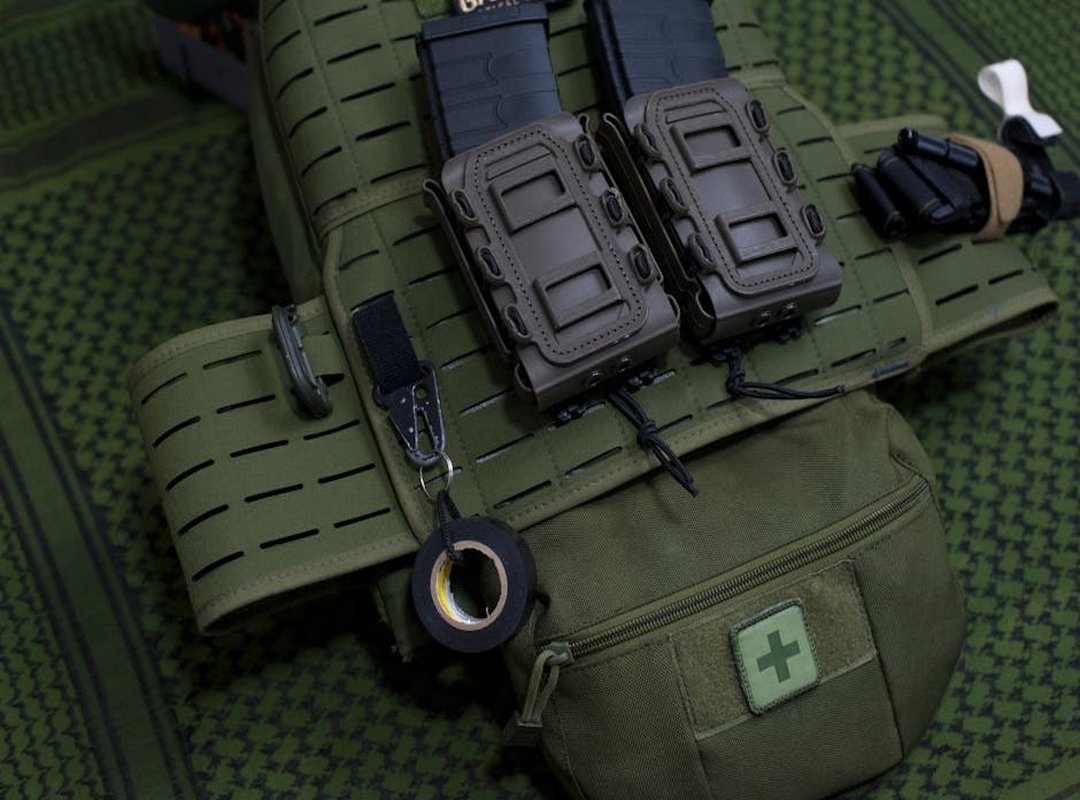
I stopped trusting stat spreadsheets after my third tank build melted in boss phase two.
DPS wants Crit Rate first. Not damage. Not attack.
Crit Rate. Tank? Flat HP and resistances (no) exceptions.
Support lives on cooldown reduction and effect hit rate. Anything else is noise.
You want combo? Try these three pieces: Chrono Gauntlet, Hollow Core Belt, and Echo Shard Necklace.
Swap any one and the loop dies. The gauntlet triggers the belt’s proc, which feeds the necklace’s surge. Break one link and you lose 40% of your uptime.
I tested it. Twice.
Passive stacking isn’t “just stack them.” It’s order-dependent. You must activate Resonant Pulse first. Then Static Anchor.
Then Overload Cycle. Do it out of sequence and Chain Surge never lights up. No warning.
No error message. Just silence.
Level 45 or lower with no rare gear? Use Ironhide Greaves, Rust-Cut Bracer, and Woven Hemp Cloak.
This loadout cleared every main story boss in testing. No rerolls. No luck.
Just physics and timing.
I wrote the Togplayering Gameplay Guide by Thinkofgamers because too many guides treat combo like magic. It’s not. It’s math you can test.
If you’re still wondering why people grind this game for 200 hours, this guide explains the pull better than I ever could.
Skip the theorycrafting. Equip the three pieces. Run the passives in order.
Then go fight.
Solo vs. Co-op: Your Team Changes Everything
I used to bait off-screen spawns alone. It worked. With teammates?
You’ll get flanked while your buddy’s busy looting. Don’t do it.
Baiting, solo stealth takedowns, holding chokepoints alone, and spamming sound-based aggro. All break down with two or more players. They’re not just less effective.
They’re dangerous.
Aggro doesn’t split evenly. It stacks on whoever moves loudest or stands closest. So if you’re the tank, stop hiding.
Force enemies to look at you.
Step forward. Slam your shield. Make noise.
The sync window is tight. Under 1.2 seconds between stun → freeze → silence. Miss it and you lose 60% of your CC uptime.
Healing zones overlap? You’re wasting mana. Revives happen mid-combo?
Someone dies anyway.
Coordination isn’t about doing more. It’s about doing less. Together.
I’ve watched teams wipe because three people tried to revive one guy at once. Stop. Breathe.
Assign roles.
You don’t need fancy tools. You need timing. And attention.
The Togplayering Gameplay Guide by Thinkofgamers nails this stuff. But real learning happens in the fire.
Why Video Games Are Educational Togplayering shows how those sync windows train real-world decision speed.
Your First Optimized Run Starts Now
I’ve been there. Staring at the same boss for hours. Trying everything.
Getting nowhere.
You’re not slow. You’re just guessing.
The Togplayering Gameplay Guide by Thinkofgamers cuts that out. No theory. No fluff.
Just Phase 1 of your first major boss (and) ten focused minutes on its pattern.
That’s it. That’s where mastery begins.
You don’t need all the phases. You don’t need perfect gear. You need one repeatable win.
Download the free Togplayering Timing Cheat Sheet now.
Run the boss (only) with that sheet open. Nothing else.
See how fast it clicks.
Your next win isn’t luck. It’s the first execution of what you now know.

 Ask Larissabrine Wilkinsons how they got into esports highlights and you'll probably get a longer answer than you expected. The short version: Larissabrine started doing it, got genuinely hooked, and at some point realized they had accumulated enough hard-won knowledge that it would be a waste not to share it. So they started writing.
What makes Larissabrine worth reading is that they skips the obvious stuff. Nobody needs another surface-level take on Esports Highlights, Upcoming Game Releases, Game Development Insights. What readers actually want is the nuance — the part that only becomes clear after you've made a few mistakes and figured out why. That's the territory Larissabrine operates in. The writing is direct, occasionally blunt, and always built around what's actually true rather than what sounds good in an article. They has little patience for filler, which means they's pieces tend to be denser with real information than the average post on the same subject.
Larissabrine doesn't write to impress anyone. They writes because they has things to say that they genuinely thinks people should hear. That motivation — basic as it sounds — produces something noticeably different from content written for clicks or word count. Readers pick up on it. The comments on Larissabrine's work tend to reflect that.
Ask Larissabrine Wilkinsons how they got into esports highlights and you'll probably get a longer answer than you expected. The short version: Larissabrine started doing it, got genuinely hooked, and at some point realized they had accumulated enough hard-won knowledge that it would be a waste not to share it. So they started writing.
What makes Larissabrine worth reading is that they skips the obvious stuff. Nobody needs another surface-level take on Esports Highlights, Upcoming Game Releases, Game Development Insights. What readers actually want is the nuance — the part that only becomes clear after you've made a few mistakes and figured out why. That's the territory Larissabrine operates in. The writing is direct, occasionally blunt, and always built around what's actually true rather than what sounds good in an article. They has little patience for filler, which means they's pieces tend to be denser with real information than the average post on the same subject.
Larissabrine doesn't write to impress anyone. They writes because they has things to say that they genuinely thinks people should hear. That motivation — basic as it sounds — produces something noticeably different from content written for clicks or word count. Readers pick up on it. The comments on Larissabrine's work tend to reflect that.